















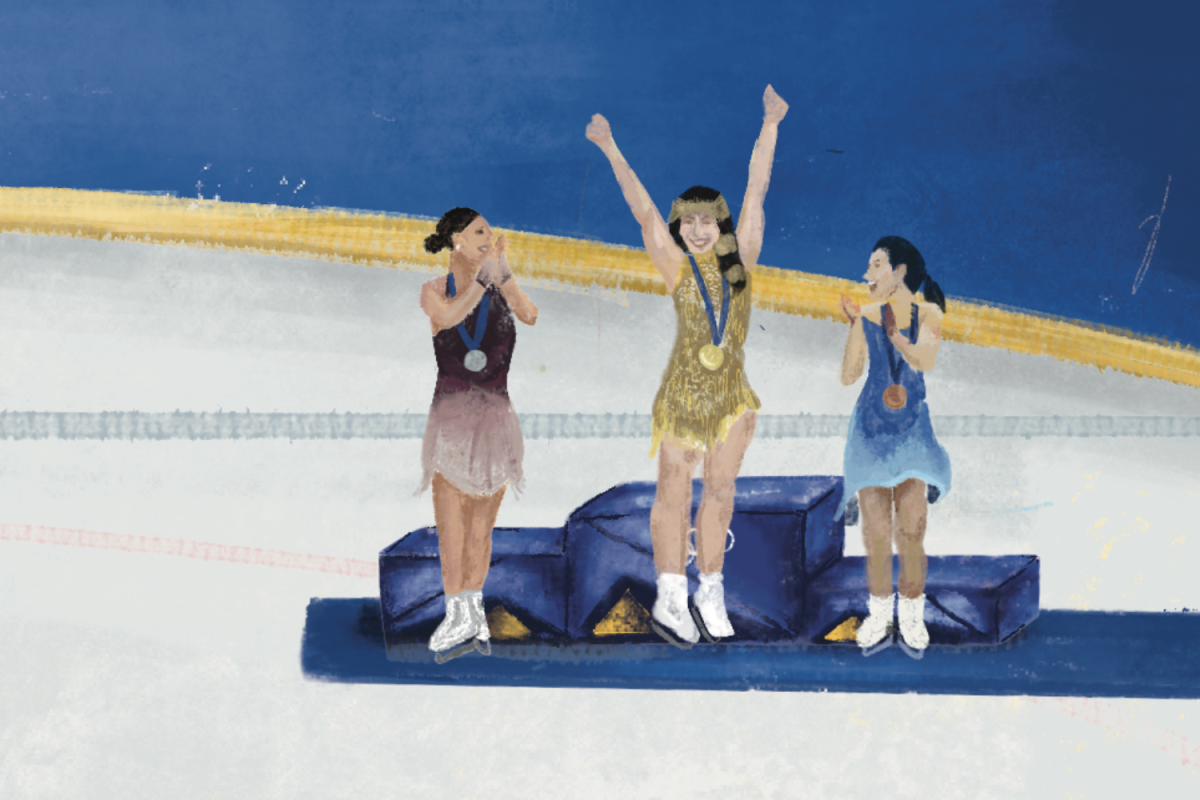
When Alysa Liu won the gold medal in women’s figure skating at this year’s Winter Olympic Games, her first reaction was to embrace the bronze medalist winner, Ami Nakai: a show of sportsmanship once rare in the elite figure skating scene. For cutthroat competitive sports, athletes like Liu set the standard for progress — healthier practices, more individuality and better sportsmanship.
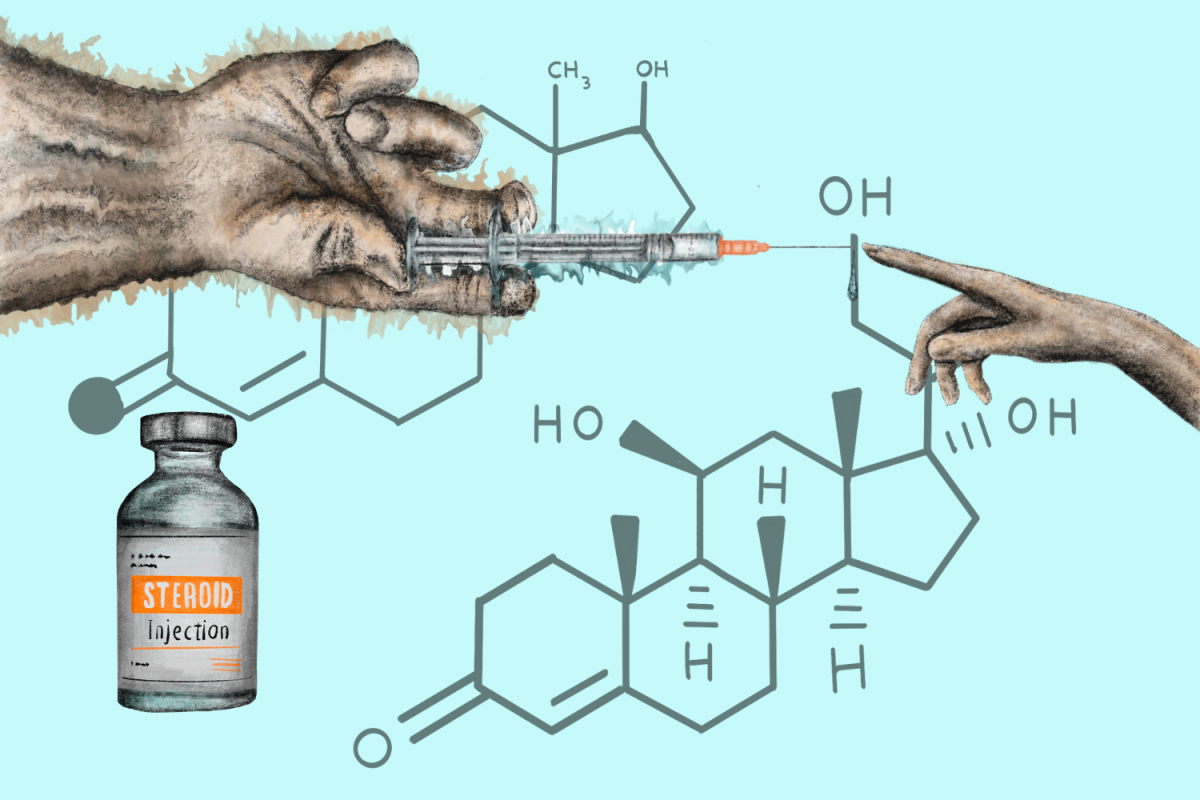
In the past, competitive figure skating has been steeped with unhealthy toxicity. During the 2022 Beijing Winter Olympics, 15-year-old Russian skater Kamila Valieva tested positive for trimetazidine, a banned endurance-enhancing drug that poses negative side effects like difficulty walking. Skaters neglected their health in their quests for the podium, executing physically taxing jumps and ignoring injuries. Liu, who said she was restricted from drinking water during long practices, announced her retirement at only 16 as a result. The lack of autonomy she had reflects the unfortunate reality of many young athletes.
“When I had a long mental block and there was so much pressure from my coaches and parents, I hated skating,” sophomore and figure skater Katelyn Wang said. “I had to take a step back. Now, I enjoy it so much more. My practice sessions are a lot more productive because I actually like what I’m doing.”
As an individual sport, figure skating can be very isolating. Upon hearing that she had won gold in women’s figure skating at the 2022 Winter Olympics, Anna Shcherbakova sat alone. Her teammates and coaches, who should have been congratulating her, were nowhere near. Even with victories, the lack of sportsmanship meant skaters struggled to gain support.
“I competed against a friend who was in the same level and had the same coach as me,” Wang said. “Our parents wanted us to be really competitive with each other, but that pressure was too much for both of us. We decided to support each other, no matter the result.”
The 2026 Winter Olympics saw a much-needed cultural shift. To lessen strain on prepubescent bodies, the International Skating Union raised the minimum age for senior figure skaters from 15 to 17. They cited burnout, disordered eating and injury as risks to teenage skaters like Valieva, who pushed to hit higher difficulty levels with multiple quadruple jumps.
This year, skaters displayed more individuality through stylistic choices. Spanish skater Tomas-Llorenc Guarino Sabate’s “Minions”-themed program left a unique, creative mark on the ice: an example that athletes’ legacies can be more than their technical ability. When Liu returned to figure skating on her own terms, involved in the costuming, music and choreography processes, the visible joy on her face as she skated made her therapeutic to watch after years of strained expressions.
“Figure skaters themselves should make more of their own decisions, rather than being forced under coaches’ control,” senior and figure skater Ankita Ramabadran said. “Recently, I skated to ‘Speechless’ from ‘Aladdin,’ which was really fun. I got to wear a purple dress that I chose. Performing a routine I helped create made me happier when performing.”
Displays of sportsmanship pushed the sport into a more supportive environment: Ilia Malinin, the projected frontrunner for gold in men’s figure skating, congratulated the gold medalist Mikhail Shaidorov after ultimately placing 8th. 5th-place winner Amber Glenn shielded silver medalist Kaori Sakamoto from cameras when they attempted to film her crying. These instances show that competitive sports do not have to be defined by intense pressure and rivalry. Rather, they can be a celebration of all athletes.
“Seeing those moments made me feel very warm-hearted,” junior and figure skater Eileen Zhao said. “Even though they’re from different countries and competitors, they were able to communicate with and protect each other.”
Other sports need to follow this example. Support systems, self-determination and prioritizing personal well-being over constant success are tenets of what competitive sports should be: sustainable spaces where positivity and achievement can co-exist.