







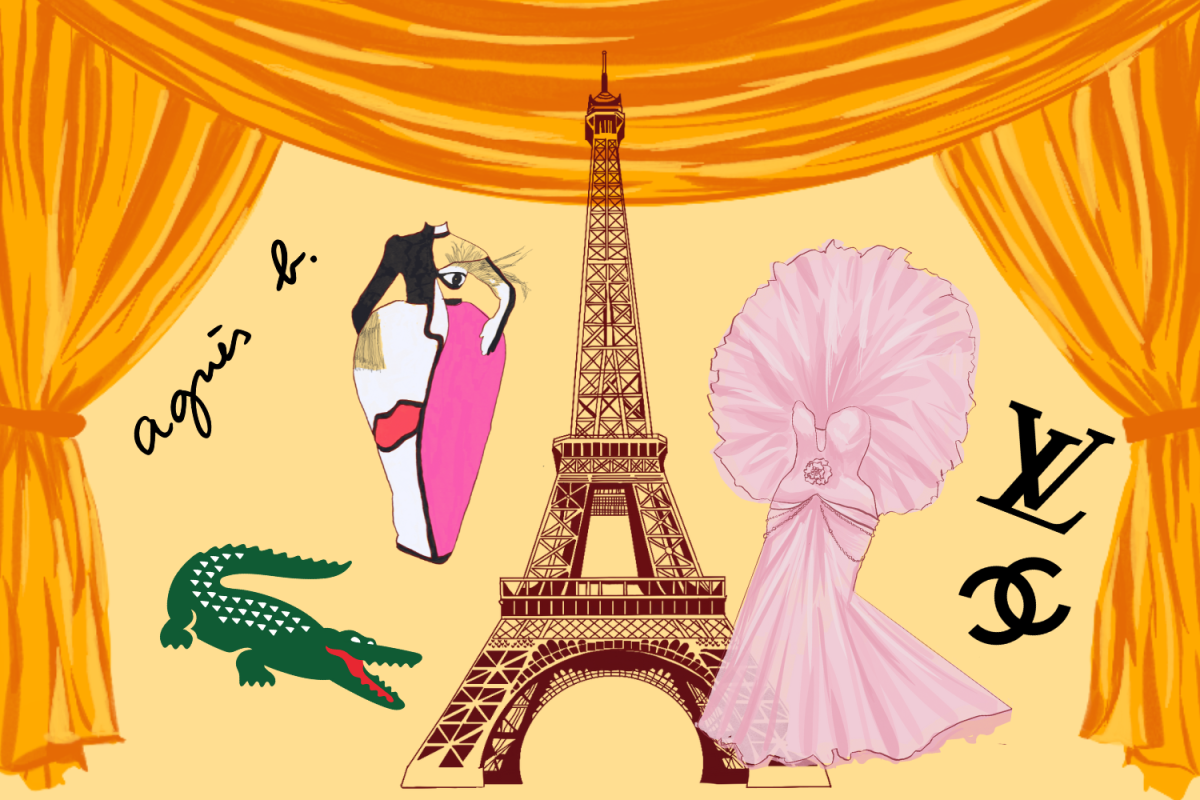




Returning to the spotlight nearly two decades after the original film, “The Devil Wears Prada 2” serves as a nostalgic sequel to its iconic 2006 predecessor. While the plot does contain sharp commentary on art, fashion and journalism in the modern world, its stance on the balance between integrity and success leaves fans of the first movie conflicted about the story’s actual message.
Directed once again by David Frankel, “The Devil Wears Prada 2” picks up 20 years after the first film. Now a veteran journalist, protagonist Andrea Sachs returns to the same Runway fashion magazine that she resigned from at the end of the first movie. The magazine she returns to is almost nothing like the one she left: its once harsh editor-in-chief and the titular ‘devil,’ Miranda Priestly, has softened her behavior due to HR complaints, its print magazine has changed into online social media campaigns and its once highly established brand is at risk due to a public relations scandal. This portrayal of the 20 years of change is relatively realistic. Priestley’s softer behavior reflects society’s evolution toward a more inclusive world, and Runway’s demise reflects the struggles that many art-oriented companies face amid the rise of technology and the shift toward efficiency.
The decision for Sachs to return to her job at the Runway, despite her previous experience with its toxic, backstabbing culture, undermines the first movie’s message: integrity triumphs over corporate success. Having Sachs return to Runway illustrates the compromise of her own morality for a job that ‘pays double [her] previous paycheck.’ This transformation of the core theme about integrity is further emphasized through parallel conversations between Priestly and Sachs. In the first film, Priestly acknowledges the sacrifices she has made to get to her position of power. The second film contains an analogous scene where she justifies those sacrificed relationships using her love for work. Many characters in the second film exhibit the toxic greed that the original movie shunned, going against the very idea that made the first film so emotionally touching.
What may have sparked this change in the franchise’s core motif is the approval of Anna Wintour, editor-in-chief of the real-world Vogue fashion magazine. The 2026 press tour features Wintour and Meryl Streep’s Priestly entering the same elevator, each portraying their immense power and status in the fashion community. Producers note that Wintour did review and approve the sequel’s script, rather ironic given that the original film was based on a book that criticized Wintour’s crass behavior as a leader.
The film does an effective job of bringing awareness to real, modern-day problems in the workplace. Jay Ravitz, played by B. J. Novak, CEO of Runway’s parent company, Elias Clarke, embodies the modern-day management style that prioritizes absolute efficiency through cutting costs, damaging the quality of the Runway publication. Bringing in management consultants to instigate layoffs and department cuts at Runway seems uncannily similar to the real-world pursuit of efficiency and caters to modern short attention spans. Print media, from the fictitious Runway fashion magazine to the real-world traditional book stores like Barnes and Noble, has been turned into more accessible, online alternatives like short-form videos and online shopping. Highlighting these real themes was a compelling addition to the 2006 film, which took place in a much less digitized world.
This push towards efficiency and the resulting loss of art can also be seen in the movie’s production itself. The lighting of the 2006 film had a mix of moody and harsh lighting to represent the high-end fashion world. “The Devil Wears Prada 2,” on the other hand, is illuminated in sterile, white lights that make the movie feel almost soulless. The “Netflix-style” lighting, which occurs when studios film in a monotonous lighting that is later heavily edited in post-production, lacks the shadows and dramatic effect that differentiate a flat, polished commercial from a cinematic masterpiece. “The Devil Wears Prada 2” seems to fit right in with the recent trend of creating sequels for highly successful films, often disappointing fans with low-quality production.
“The Devil Wears Prada 2” does have its highlights, from nostalgic beats to relevant social commentary. But in terms of its underlying message and overall production, it ultimately feels soulless, lacking the charisma of the first film. Priestley’s signature line describes the movie’s quality best: It’s a nice throwback, but it leaves you with an underwhelming feeling of, “That’s all.”
Rating: 4 Viking helmets out of 5