














My Instagram reels were probably the funniest things on earth, I found games infinitely more entertaining than homework and my insanely fast response times on Slack might make me seem like the ideal person to work with. But after hours of scrolling, I was always hit with a brutal reality: I got no work done.
My screen addictions made me feel burnt out, stressed and most importantly, shamefully unproductive. When the second semester of junior year rolled around, I couldn’t stand it anymore: too many AP classes, endless articles to write and stashes of instant coffee depleting at concerning rates, coupled with a dysfunctional sleep schedule and stacks of books I desperately wanted to bury myself in for escape… but never could because of how tired I was from everything else. Something had to go.
And so, one night, I declared war on my addictions.
I moved swiftly, wiping an entourage of apps from my phone. Instagram, Reddit, Youtube and even entire video games (goodbye, years of progress!). I began strategizing ways to physically distance myself from my phone by chucking it across my room when I did schoolwork, and I turned my phone screen to black and white to prevent me from enjoying my favorite Netflix shows.
It was a long-overdue cleanse.
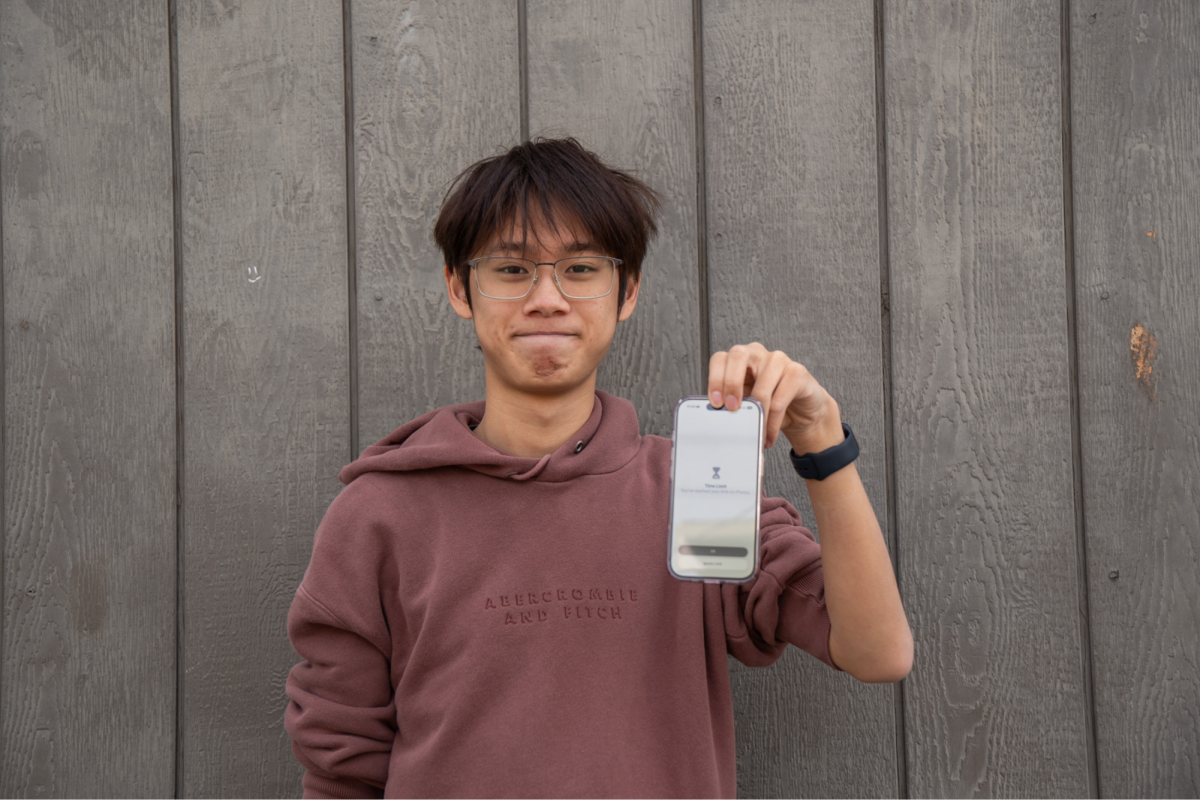
But after just one week, I found myself returning to that long-dreaded (but desired) environment. Even then, I continued to catch myself, to try and improve. Eventually, I deleted my Instagram account altogether, and I’ve set up screen time limits so I can’t open my favorite apps in moments of weakness.
I’m still working on several apps, though — email and Slack continue to haunt me to this day. However, I’ve found that the key to staying offline is keeping myself immersed in the real world. Now, I ask my friends to go on hikes spontaneously, or fish out a rusting book to delve into. I might go on a long walk around my neighborhood, enjoying the velvety pink sky at sunset. It’s always still a battle to pick between nature and my phone because it’s so convenient to just flick on that little rectangle. But I’ll always choose to progress, however small, over entirely acquiescing.
What I’m trying to say is that it’s not a waiting game. In my junior year, I desperately felt like it would just be fine if I just endured my burnout with inaction — and my decision to not do so was probably the best thing I ever did for myself (that, and not taking AP U.S. History — phew!). With the onset of the digital age, our generation has been tragically trained to be receptive, not active. That has to go. Wake up. Running from them can work for now, but you’ll have to eventually turn around and face your problems head-on. Then, do whatever you need to fix it — even if it means declaring war.
Note: this is not a one-size-fits-all solution. If you or someone you know is having serious mental health issues, seek help. Resources on campus include our school therapist; book an appointment or see other local services at our school’s website. See FUHSD’s compiled list of mental health resources. If those options don’t feel feasible, look through Santa Clara County’s resources or reach out to the 988 Lifeline or The Trevor Project’s hotline.