













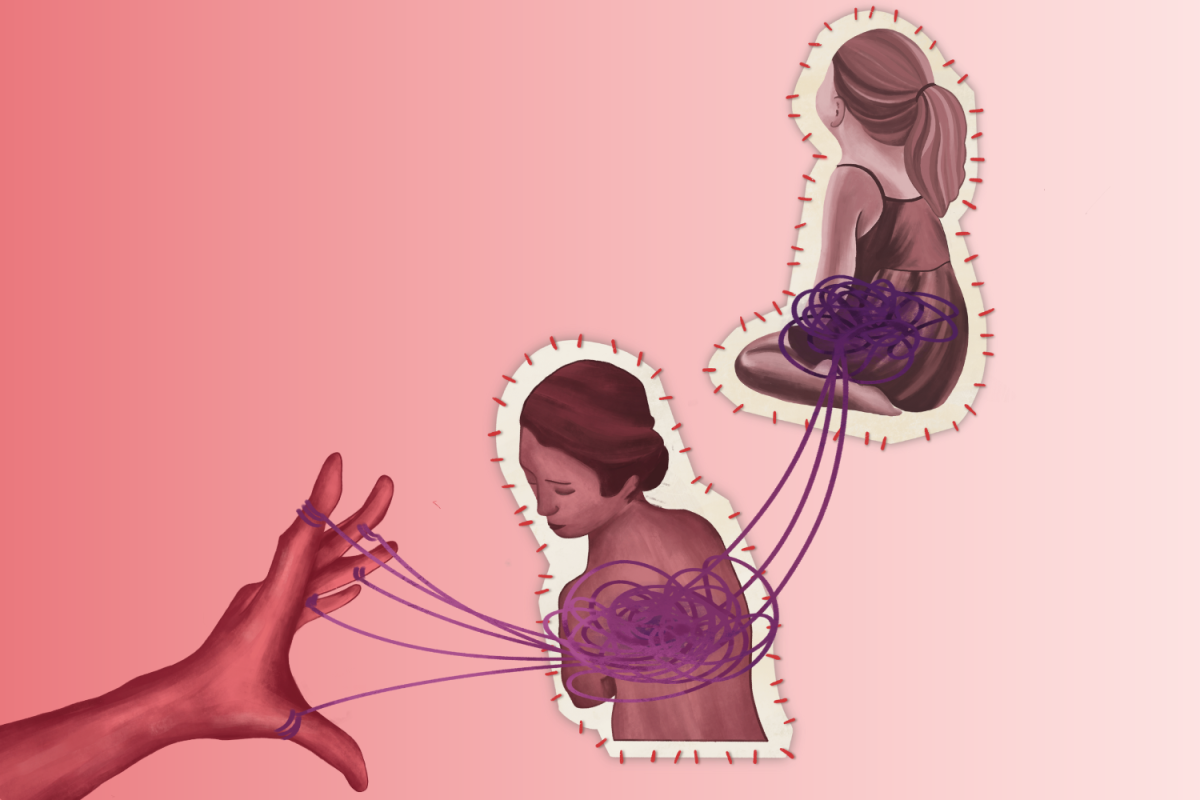
For its survivors, trauma becomes an ever-present force shaping thoughts, emotions and choices, as tangible as a physical birthmark. Yet its effects extend beyond the people who originally lived through the experience: it can also be passed down through family lines.
Intergenerational trauma is defined by the American Psychological Association as the “transmission of trauma or its legacy” from those who underwent the trauma to succeeding generations. Descendants of trauma survivors can inherit reactions to stressors that began before they were born — unspoken wounds that become detrimental to their ability to navigate the world. For example, adults who have been abused or neglected in their youth are 1.3 to 2 times more likely to have difficulty controlling their anger, which often manifests as harshness toward their children.
The causes of intergenerational trauma include historical tragedies such as slavery, genocide and systemic oppression of other kinds. A 2025 study found that Holocaust descendants had a 20.9% probability rate of developing PTSD — considerably higher than the 11.5% in those who did not share this family history. Similarly, increased rates of depression and substance abuse was demonstrated in the children of Rwandan genocide survivors.
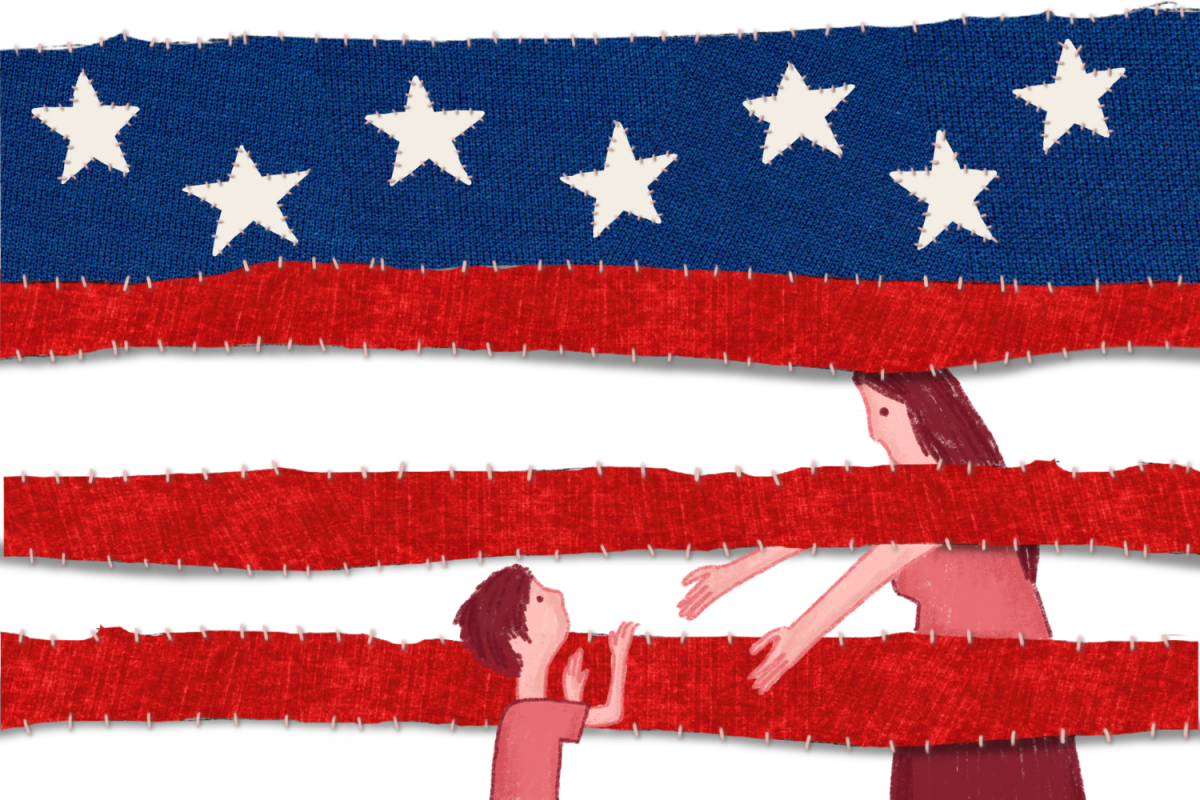
Children from immigrant families are also at a high risk of suffering from intergenerational trauma. Immigrant families often leave their home countries due to a desire for a better life. Sometimes, they are escaping conflict, like Syrian civil war refugees, over 70% of whom live in poverty, with limited access to basic services and job opportunities. Other prominent difficulties that immigrants face include struggling to integrate into society or to find a job. Thus, older generations shaped by poverty, discrimination and fears of deportation may hope for a life of increased stability for their children, leading to strict expectations.
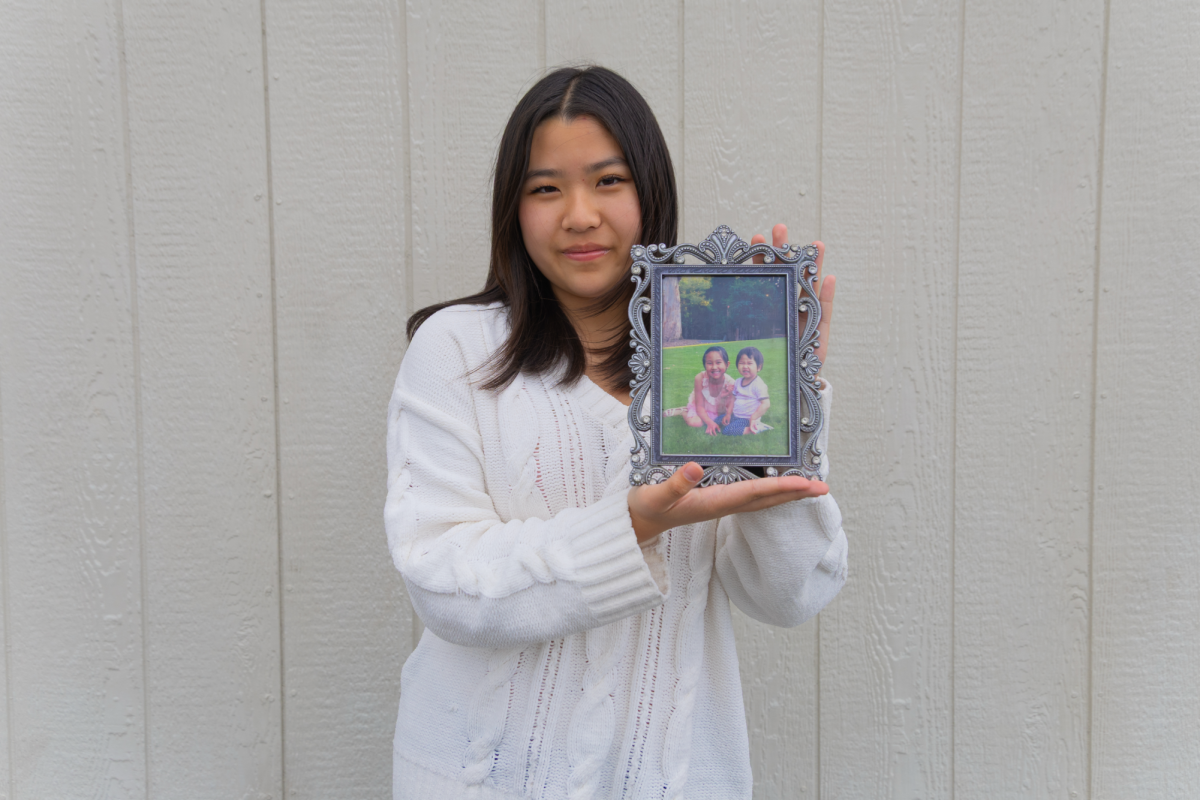
“My parents used to put a lot of pressure on me to succeed, but they stopped when my mental health started declining,” junior Torsia Xu said. “I believe as parents, your job should not be to only provide for your kid’s education and survival, but also be emotionally supportive and willing to do anything to support your kid’s dreams.”
Family dynamics are often shaped by past trauma. Out of a schoolwide survey of 117 students and staff, 29.9% respondents said difficult family history — including immigration, poverty or discrimination — is “rarely” discussed in their family, and 47.9% said it is “sometimes” discussed. These silences can leave room for misunderstanding, like perceiving parental reticence as a lack of care when it may exist as a form of protection.
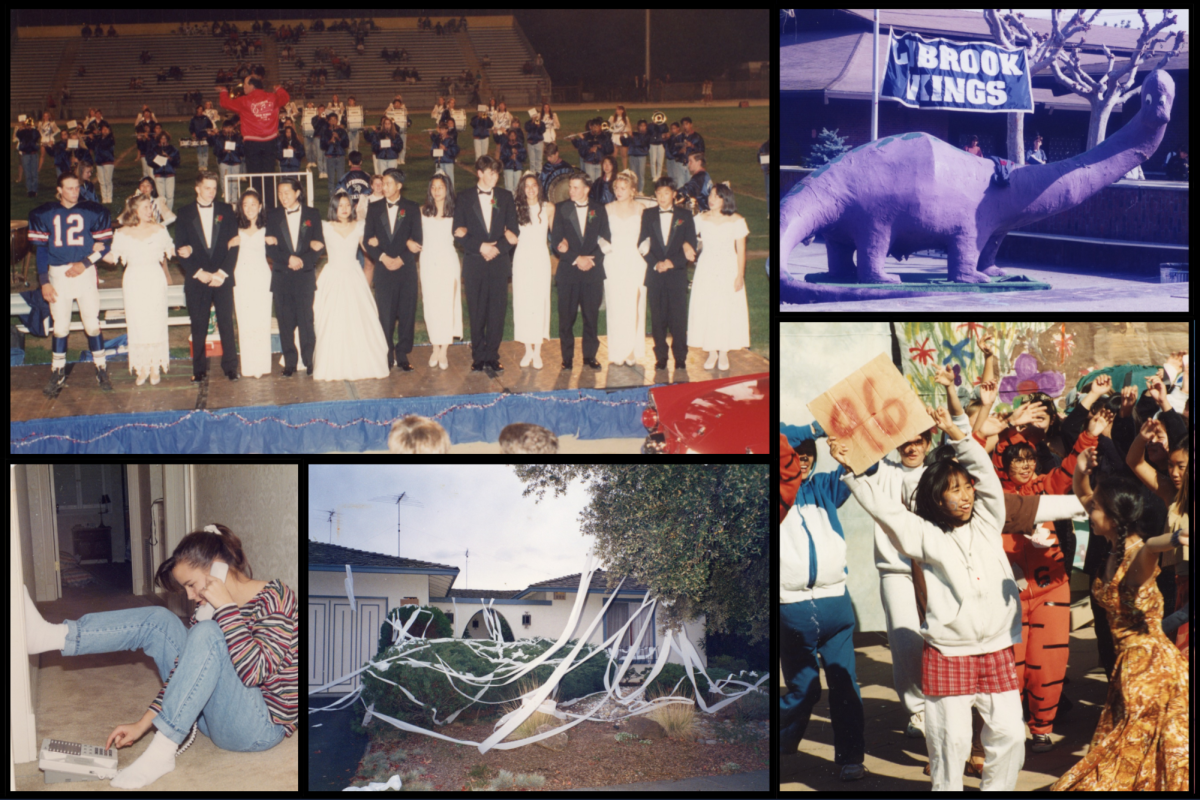
“I think the hope for my parents was that if they didn’t talk about certain things, then they could take the brunt of all that hardship and create a clean slate for their kids,” former Lynbrook teacher and author Ellie Yang Camp said. “But what I’ve learned about intergenerational trauma is that these hardships still come out, like in the negative way parents react to seemingly small things or the pressures they put on your life.”
Emerging research suggests that traumatic experiences may even be biological. They may induce epigenetic changes that may be passed down to children, creating DNA methylation patterns associated with increased vulnerability to stress and anxiety disorders.
Children can notice and inherit the emotional instability and trauma responses their parents display. For instance, in a household with a parent experiencing hypervigilance, which is sometimes a symptom of PTSD, children may exhibit increased sensitivity to perceived threats and heightened anxiety. A parent who struggles to display vulnerability due to previous emotional neglect may cause their child to feel disconnected from them and subsequently struggle with intimacy in other relationships.
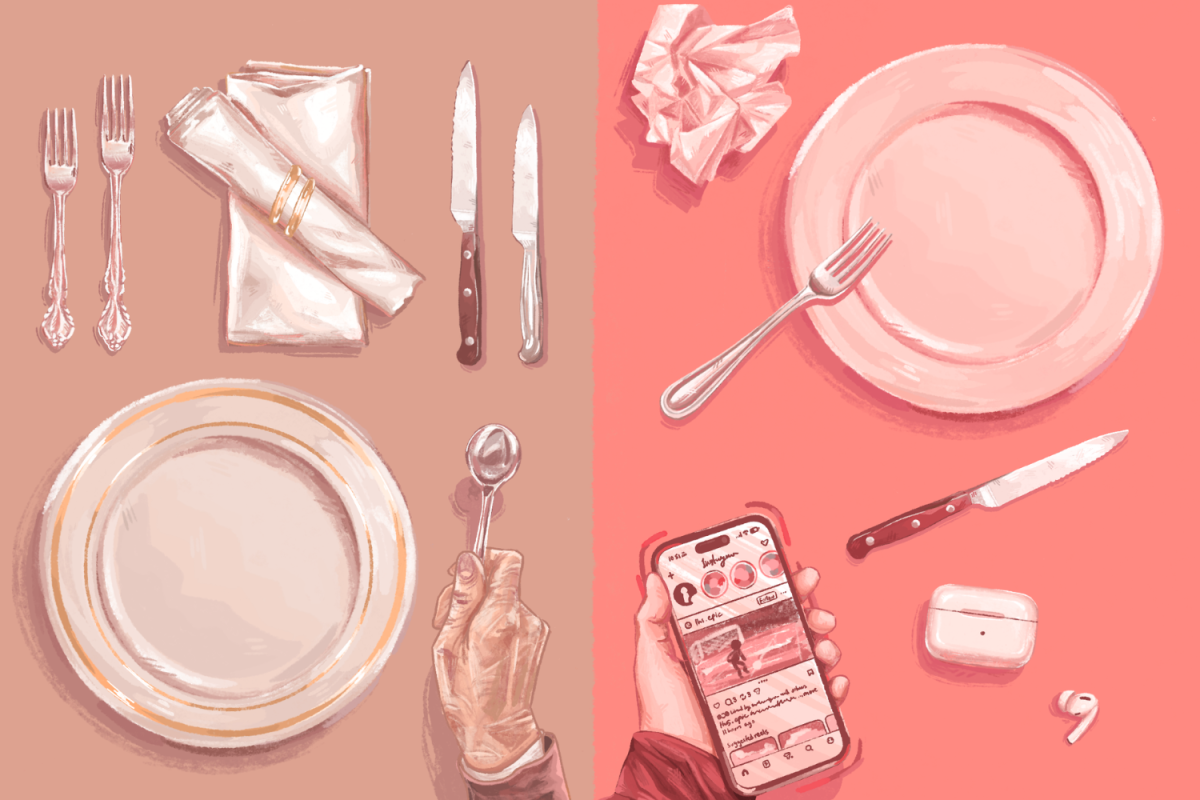
Misconceptions and stigmas can cloud discussions of intergenerational trauma. Cultural differences create an extra barrier when approaching the topic. For example, some African cultures traditionally attribute mental health struggles to witchcraft, which could lead to ostracism from one’s community. Asian cultures emphasize “saving face,” or maintaining a good public image by avoiding shame, which can lead to isolation and hesitation to seek help.
“People think it must be really bad to have to go to therapy,” therapist Wonbin Jung said. “They really focus on saving face and worry about their image. Therapy is also for people who want to better their relationships and their families, or go deeper into the issues that affect them on a day-to-day basis.”
While 27.4% of survey respondents said they were “somewhat uncomfortable,” 15.4% said they were “extremely uncomfortable” discussing mental health with parents. Rather than avoiding difficult conversations, learning to normalize mental health discussions can foster greater understanding for both students and parents.
“We have really great book recommendations and I’m always sending parents links to articles to explore,” school therapist Jenna Starnes said. “There are so many resources available, but parents must listen and take their child’s experiences seriously.”
One method to healing intergenerational trauma is the idea of “repair”: going back to face — and hopefully fix — past mistakes. This can strengthen family bonds strained by the scars of trauma.
“The concept of repair has been something that’s been quite powerful for me,” Camp said. “As a mom now, if I maybe said something too harshly or was in a bad mood and regret the way I reacted to one of my kids, I have to think, ‘What does it mean to repair?’”
To break cycles of intergenerational trauma, the first step is to acknowledge the struggles of older generations, then recognize how their trauma responses hurt not only themselves, but also their descendants. Shaping healthy future generations involves taking agency in noticing what to pass down.
“Breaking the cycle is hard,” Starnes said. “Sometimes you have particular urges to engage in a behavior or certain emotions come up and flood you, but it’s so worthwhile. Talk about it. Get curious. Break the cycle. It’s worth it.”