Where all the worlds collide
By Isabella Chiu
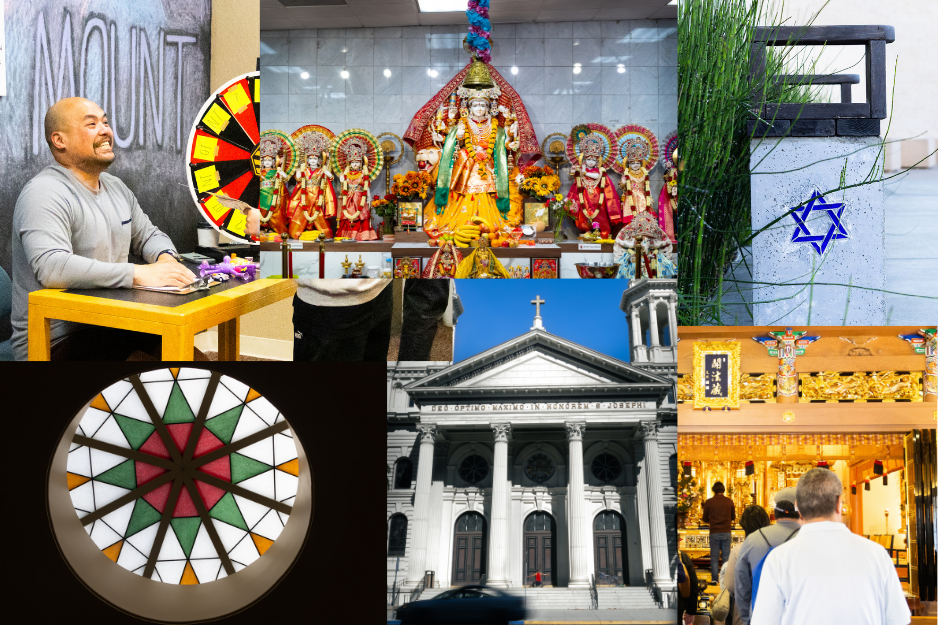
At 5 p.m. in the bustling streets of Indonesia, cars impatiently honk at the stalled traffic. Motorcycles rev their engines and slip through the cracks between the vehicles in the alleyway. Workers shout over the traffic while moving boxes onto a truck. As I count the black buttons to be sold at my grandfather’s store, I hear another sound: the low rumble of the evening prayer resounding through the entire city of Jakarta.
Indonesia is a predominantly Muslim country. Hijabs are a common sight. Prayer rooms are often stationed near every bathroom in the malls. In the same way that Americans have a holiday for Christmas, Indonesians have a holiday for Ramadan. Even though I visited every summer, I never really gave the widespread influence of Islam much thought.
At 7 p.m., we drive home along the dusty roads. My grandmother tells my brother and me that we’ll be visiting my great-aunt’s house tomorrow. Its vast interiors are filled with colorful parrots, glass aquariums of fish and, most notably, elaborate Buddhist shrines. I first saw them while I was playing hide-and-seek with my second cousins. Descending the stairs, the smell of incense grew stronger as I entered the shrine, which was surrounded by glowing embers. I was terrified. I wasted no time fleeing up the stairs to the safety of the birds and fish.
My maternal extended family lives in Indonesia. Given our Chinese heritage, our family was heavily influenced by Buddhism and Chinese mythology. My mother was taken to fortune tellers in her youth who read palms and shuffled cards. I was skeptical, maybe even a little afraid, of these superstitions and dark spirits.
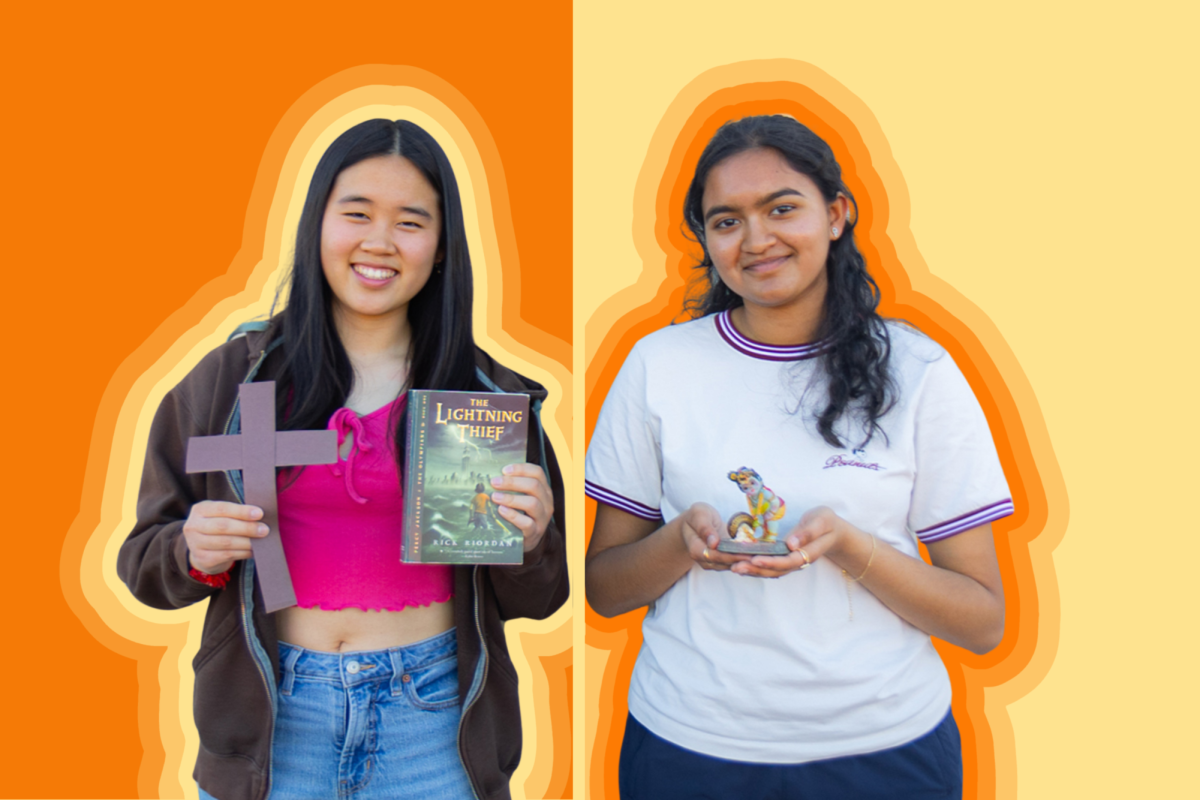
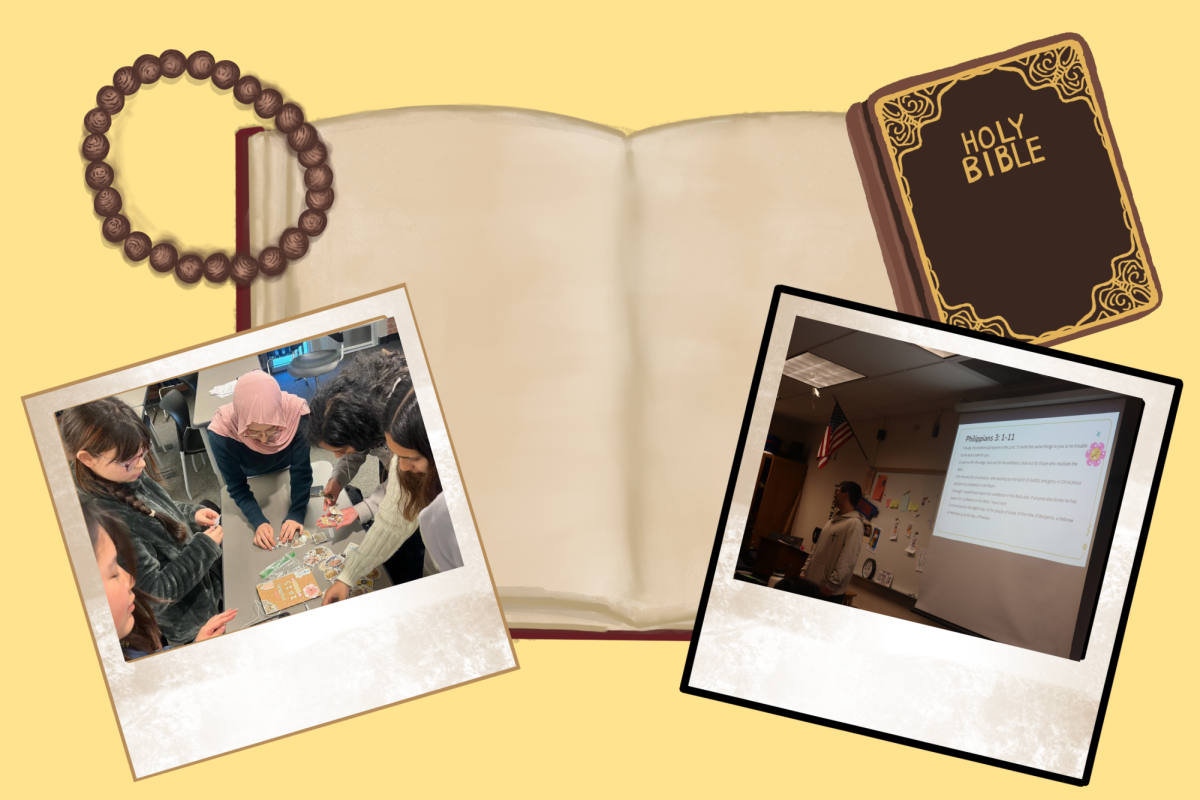
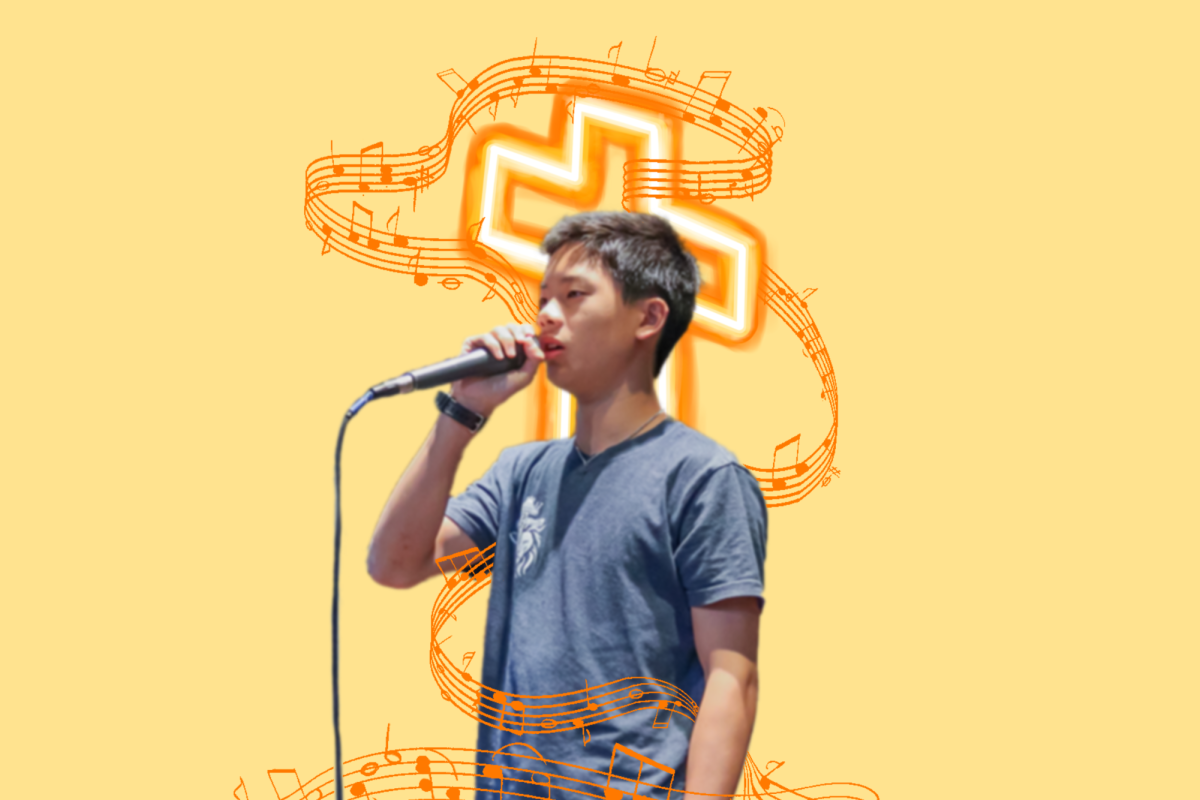
Back home in America, my house is empty of prayer rooms and Buddhist shrines. On Sundays, we drive over to our local Christian church to sing songs of worship and listen to sermons. Church has always been a mixture of nostalgia and hope. The reality is, if there is a good, caring God up in the heavens, perhaps there is even the slightest glimmer of hope that the atrocities happening in the world would subside.
I always found it funny how I was a Christian with an extended family who was Buddhist, who in turn lived in a predominantly Muslim country. To add to that absurdity, I delved into Greek mythology through Rick Riordan’s fantasy series. I found it fascinating how both Greek and Chinese mythologies have irresponsible immortals wreaking havoc on the world. It was interesting to see their ties to the fallen angels and spirits described in the Bible.
All of these religions are so different, yet they are all united in the belief that there was something beyond the tangible, logical world. They all had some idea that the laws of nature were governed by a higher being more powerful than humans themselves. Religion is spiritual, but it is also humbling and hopeful — a beautiful conviction to hold, maybe a little dangerous, too.
The struggles of an ABCD
By Samanvi Bandugula
“PAUSE,” I yelled. “So Arjuna didn’t know he was fighting his half-brother?”
Confused, I looked away from the glow-in-the-dark galaxy on my bedroom ceiling toward my dad, who was sitting beside my bed. He nodded.
“It was one of his greatest regrets and the most tragic part of the Mahabharata.”
One of my favorite childhood memories is lying in bed while my parents told me and my sister stories of the Hindu gods we worship. The tales of strong warriors conquering ferocious demons sparked my imagination and curiosity as I tried to picture the mythological battles.
One of the two major Hindu epics, the Mahabharata, has always been my favorite tale because it showcases the value of family and, more importantly, duty. Known as dharma, it’s the idea that you must do what is right even when it is difficult. But how do you know what is right and wrong?
When I was younger, this was one of the many confusions I had as an “American-born confused desi” — an ABCD. My emotions took the form of complaints about going to the temple and being forced to wear itchy clothes, though I was actually feeling out of place, guilty that I didn’t have the same reverence for the gods as my parents. Although they never compelled me to learn prayers and memorize the details of every festival, I couldn’t help wondering if it was wrong to have a different relationship with religion than my parents. When I look back on my childhood, my connection to Hinduism came from a combination of community and beliefs.
Besides the fact that I have known one group for far longer than the other, the only substantial contrast between my school friends and family friends is religion. Hanging out for sleepovers and bowling nights is completely different from family get-togethers for religious ceremonies, known as poojas, or lighting sparklers for Diwali. There is a nonverbal connection that comes from knowing you have heard the same stories and have the same principles. No matter my confusion, this understanding of community has always felt complete.
Every Hindu story has a moral. Although they are divine beings, deities are portrayed with human-like emotions and flaws. For example, the king of the gods, Indra, disrespects a powerful sage who, in turn, casts a curse to make the gods lose their power and immortality. This illustrates the consequences of pride and the value of respect toward your elders. These stories proved that even the gods make mistakes, but they, too, must learn to make better decisions.
I have realized that religion is not meant to be a source of confusion, but rather a way to guide you to answers you already know are there. The “right” choice, your dharma, is merely subjective, and you must look within yourself to find it.