


















Up until now, the Recording Academy has done a solid job creating inclusive genre-specific breakdowns for the Grammy Awards: R&B music has five distinct categories, rock and jazz each have six and Christian music has five. The idea is to allow more artists to be recognized.
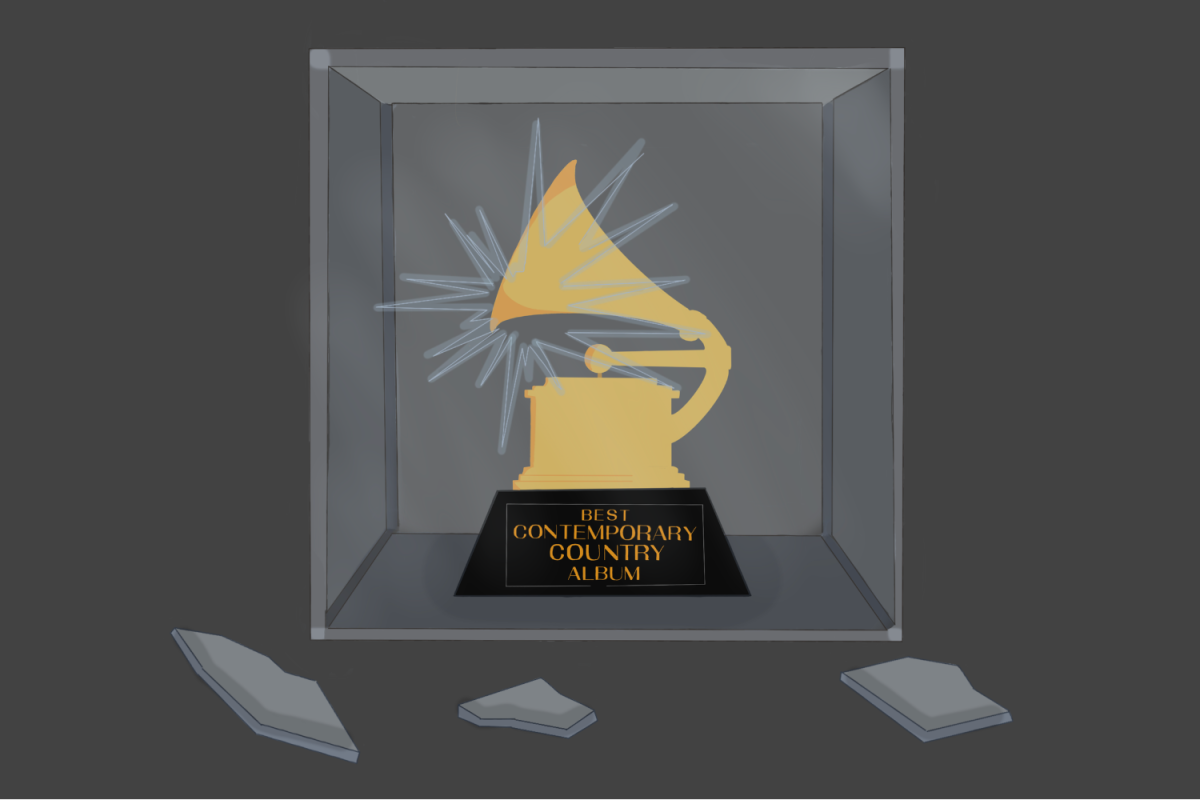
For the 2026 Grammy Awards, the Recording Academy moved forward with yet another fragmentation, splitting the best country album category into the best traditional country album and the best contemporary country album. Qualifying records will be categorized through elements such as rhythmic and vocal styles, lyrical content and instrumentation. While the decision attempts to adapt to broadening definitions of country music, it’s a deceptive move that segregates more than celebrates, further excludes nontraditional artists and altogether encourages stagnancy in the genre.
This feels counterintuitive, considering the whole point of the change was to increase inclusivity. Long criticized for its lack of diversity in award winners, if anything, the Recording Academy’s decision to split the best country album category should make sense. But with many nominees of color, female, Latin and other minority groups often snubbed for awards and country music being white-dominated, best traditional country album winners are going to feel the same every year.
With all best country album recipients previous to Beyoncé’s 2025 win being white — a 96.5% ratio since the establishment of the category in 1995 — it wouldn’t be surprising if future nominations and awards in the best traditional country album category stuck closely to the majority demographic. With the fragmentation, this category will likely center around celebrating white artists, erasing the Black roots of country music — the genre sprang from the popularity of the banjo, an instrument that African Americans brought along when forced into slavery. The 2026 Grammy winners in the new categories are a case in point: Jelly Roll won best contemporary country album and Zach Top won best traditional country album; both are white men.
On the other end, the genre-blending behind contemporary country music comes off as though country music is having an identity crisis. However, this might be the saving grace to having real diversity behind the nominees. Think of Beyoncé: when “Cowboy Carter” won best country album in 2025, many commenters online claimed that the album wasn’t country enough. This incident shows us that country music still isn’t a completely welcome space for non-traditional artists, yet here we are. Though Beyoncé’s win felt like a step forward in diversifying recognition, the category will likely end up being even more vaguely defined.
The Recording Academy’s decision to split the best country album is incredibly suboptimal and destructive. While the change is supposedly premised on inclusivity, functionally, it only continues to delegitimatize non-white artists and reinforces the predominance of white artists, erasing the African history of country music and promoting exclusion and stagnation.