











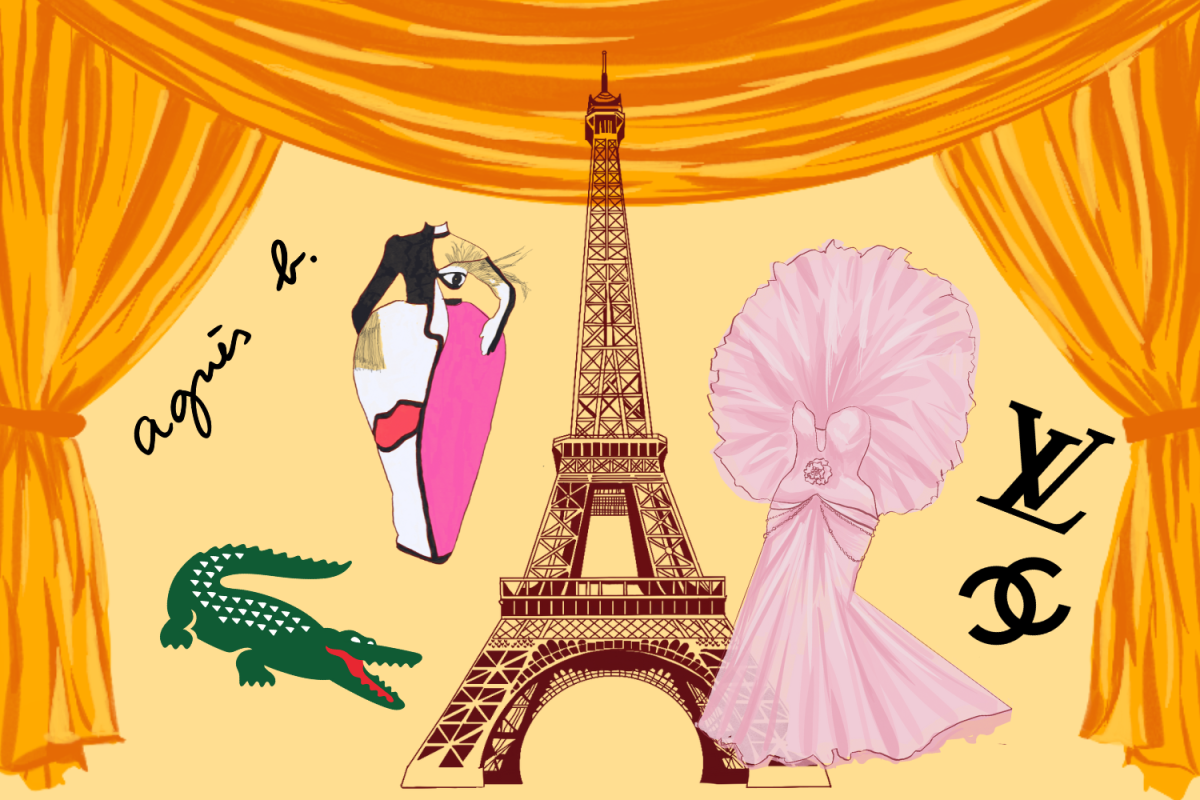





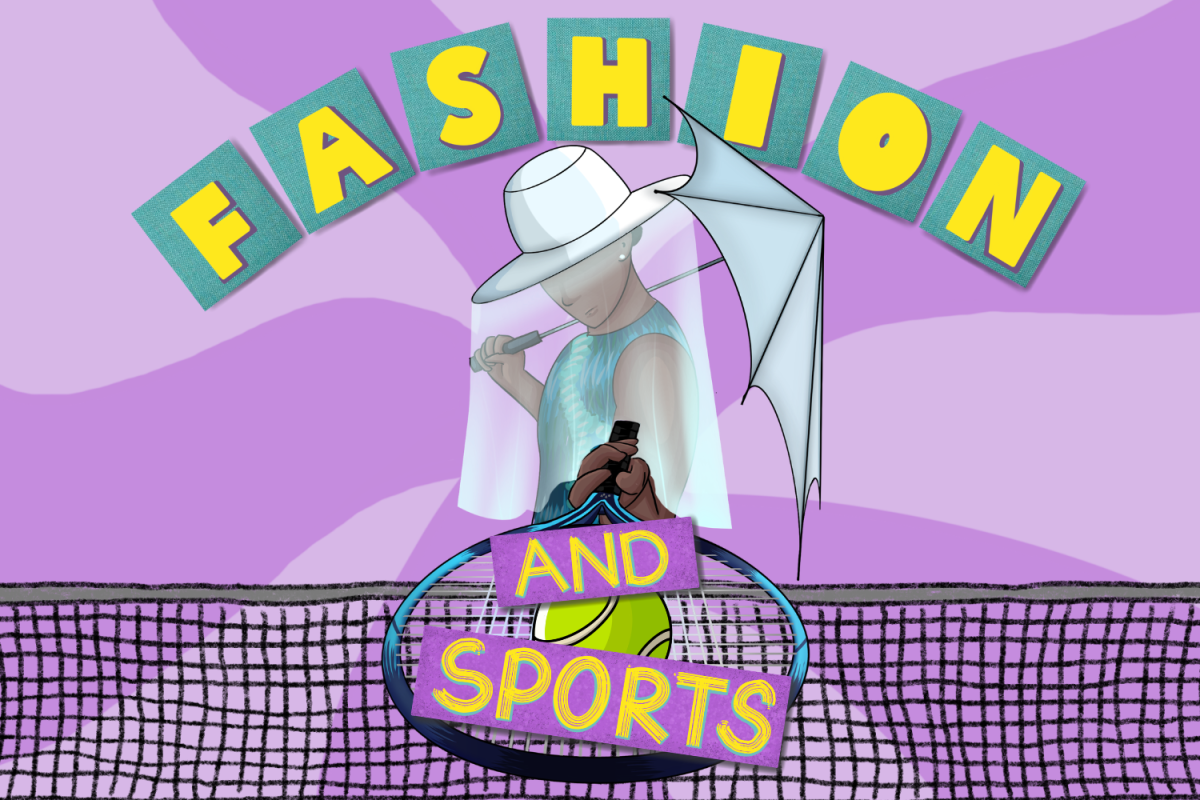
On Jan. 20, professional tennis player Naomi Osaka walked onto the court at the Australian Open in a flowing turquoise top and pleated trousers, complete with a dazzling veil and parasol. Custom designed by Robert Wun, Osaka’s ensemble — which sported translucent ruffles that bounced throughout the match to create an illusion of jellyfish’s tentacles — split the internet. Some called it beautiful, while others accused it of stealing the spotlight from the sport.
Yet Osaka’s Australian Open look and other athletes’ iconic attire prove how fashion is an outlet for all to freely express their personalities, culture and beliefs. By uplifting sports, brands and communities, it gives observers’ confidence, too.
Historically, athletes have worn simple uniforms adorned with team or country colors, making traditional sports fashion generally unexpressive and often unmemorable. When an athlete does decide to explore their creativity, they often face backlash that labels them as overdramatic or distracting. However, in an era where fashion is a core medium of expression, limiting clothing choices diminish athletes as people with tastes and personalities.
“What you wear is an extension of yourself, and it’s the first thing that someone will see,” senior and Indesign co-president Audrey Zhu said. “Instead of just how you perform, someone can also see your personal views.”
Clothing is an easy way for athletes to connect with the audience. At the 2010 Winter Olympics in Vancouver, the Norwegian men’s curling team wore patterned pants in the colors of their country’s flag instead of standard black uniforms. While initially deemed unprofessional and clown-like, it led the manufacturer of the pants to experience a 300% surge in sales for two weeks after the games and drew enthusiasm for the sport.
This commercial benefit of fashion reflects across all sports, as brand deals and commercials build a public artistic presence for the athlete. Most famously, former NBA star Michael Jordan collaborated with Nike to debut basketball shoes: the Air Jordans. They became such a sensation that even forty years later, Air Jordans are some of the most iconic shoes in the world. As more viewers are drawn to these advertisements of fashion in sports, both the athlete and brand build recognizable reputations. Fashion and sports can be mutually beneficial, neither outshining the other and both grabbing the attention of the general public.
Adding a creative spin to fashion can be an expression of culture for athletes as well. At the 2025 WNBA Draft, Washington Mystics forward Kiki Irafin represented her Nigerian culture with a custom gown by designer Nneka Alexander and traditional bracelets. Osaka, who is half-Japanese, has featured many looks inspired by Tokyo’s harajuku style, including a 2024 collaboration with Japan-based womenswear company Adeam and her goth lolita look at the 2024 U.S. Open by designer Yoon Ahn and Nike.
“You should be able to express what you wear,” junior and tennis player Natalie Tan said. “I think it is cool when people wear unique clothing, especially on TV.”
Expression through fashion is a way for athletes to share their beliefs and bring awareness to important issues, especially as figures in the public eye. Ukrainian skeleton racer Vladyslav Heraskevych was disqualified from the 2026 Winter Olympics for his “helmet of remembrance,” which honored people killed in Ukraine’s war with Russia but violated the International Olympic Committee’s guidelines. However, his choice was met with immense praise from fellow athletes and Ukrainian President Volodymyr Zelenskyy. Formula 1 Ferrari driver Lewis Hamilton also wears a rainbow-striped helmet when he races, spotlighting LGBTQ+ awareness across the world. By going beyond the scope of their sport using their freedom of fashion expression, athletes can unite communities to gather more support for key causes.
Regulations often limit athletes’clothing choices during playtime. In these cases, it’s common for them to use pre-game attire and red carpet looks to display creativity and connect with their fans. NBA, WNBA and Formula 1 stars all regularly go viral for their fashion, from tunnel looks to streetwear. For example, Chicago Sky forward Angel Reese is known as a fashion icon, so much so that she walked the Victoria’s Secret runway in 2025.
At Lynbrook, student athletes use fashion to illustrate their personalities and foster mutual encouragement. Field hockey players accessorize with fun socks and unique clips, while swimmers wear colorful sunscreen across their faces. Cross country runners tie each others’ hair into intricate braids before running. Not only do these accessories bring a colorful flair to the sport, but they also strengthen team bonds and spirit.
“Our hair really does make us more confident,” sophomore and cross country runner Pallavi Rangan said. “It’s also a team-bonding exercise, especially for cross where we all sit together and braid each other’s hair. We really just hype each other up.”
Fashion covers all types of styles and identities. As such, it is important for athletes to have ways of showing their cultures, personalities and values through their clothing. In professions that are so focused on physical demands, adding creative expression is not just personally and commercially beneficial to athletes but also entertaining and inspiring for fans — even if it’s something as simple as decorating a uniform or wearing matching shoes.