



















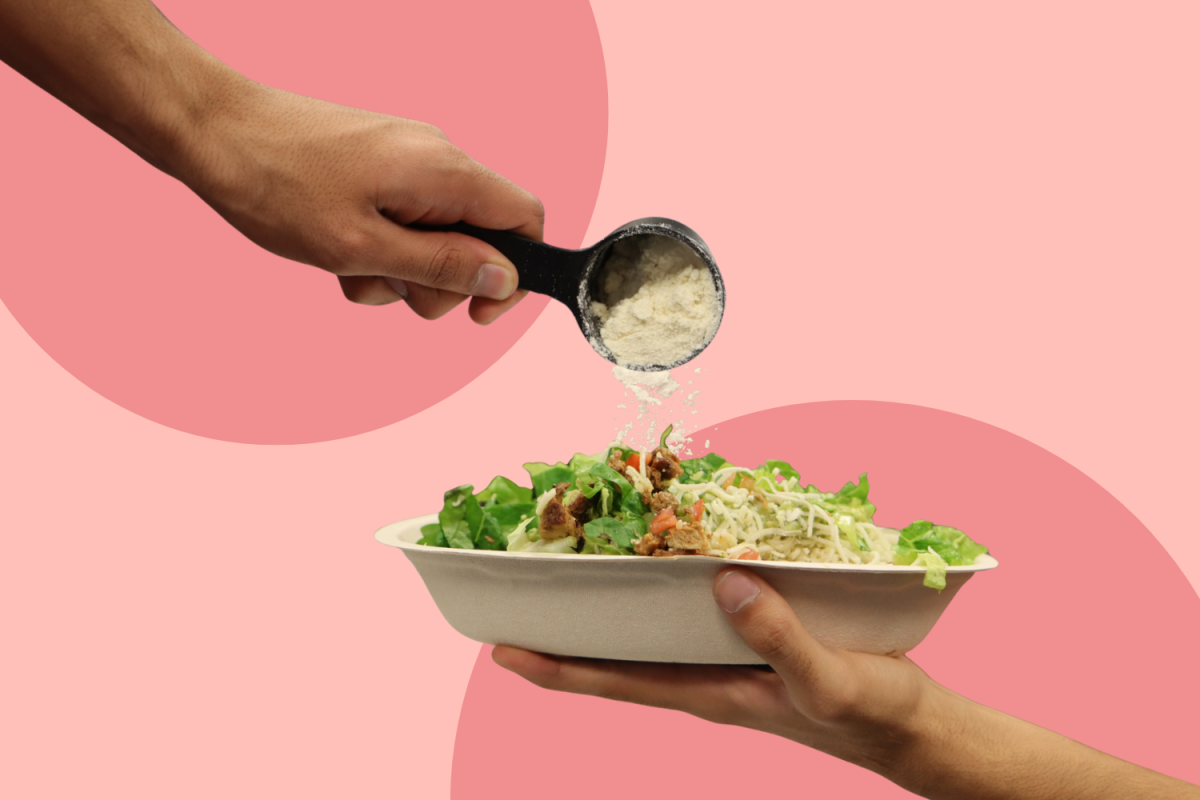
Fueled by Chipotle’s high-protein menu, protein popcorn and the general “proteinification” of almost every popular food, protein has become a hot dietary trend. However, protein isn’t as beneficial as it seems. The belief that foods labeled with high protein are automatically healthy is a common misunderstanding that can lead to poor dietary choices and health issues. Instead, students should be more cautious of online diet trends and educate themselves on healthy, balanced nutrition.
“What’s been blasted at students is one kind of diet that fits all,” FUHSD nutrition services manager Divya Puri said. “Social media is so enticing and misleading to students that they forget that most of this information is not evidence-based.”
Protein will always be an essential part of the human diet. Its importance as a macromolecule for basic bodily functions is undisputed. Yet protein has recently been advertised and celebrated more than ever. Social media creators increasingly promote it as the key to weight loss and muscle gain, two goals that are often especially desirable for teenagers. Eager to embrace the fad, food franchises have flooded the scene with protein-related products as a result: popular chains such as Dunkin’, Subway, Chipotle and Starbucks have all come out with new protein menu items. In the fitness industry, protein powder has also experienced explosive growth, with the global protein supplements market projected to reach $32.6 billion in 2027. Protein is being marketed as the holy grail of healthy living, promoting a more-is-better mindset with few limitations.
However, students aspiring to become stronger and healthier can unknowingly harm their bodies with improper diets that are hyper-focused on protein. While it can support weight loss, muscle gain and immune function, overconsumption may lead to dehydration, digestive issues and even weight gain.
Moreover, aggressive marketing has sensationalized “high protein, ” misleading customers about the actual nutritional value behind the buzzword. Foods with this label can contain high amounts of carbohydrates, sugars and unhealthy fats, as well as heavily processed ingredients. This marketing tactic can trick the untrained eye, resulting in unknowing consumption of a less-than-ideal snack.
“Some protein products can be useful, but others are pretty obvious money grabs,” sophomore Yashraj Choudhary said.
The fixation on protein is also changing the American diet: a 2024 survey by the International Food Information Council found that 71% of Americans want to increase their protein intake. But while social media has promoted protein as the be-all and end-all of healthy eating, other nutrients just as crucial for overall health have suffered from inattention. For example, a 2016 analysis in the American Journal of Lifestyle Medicine concluded that 95% of adults and children consume less than the recommended amount of fiber. In a world full of social media trends, where processed foods are easy to access and unhealthy choices are easy to make, a holistic diet is more important than ever.
“Students can talk to medical providers or reach out to registered dietitians in hospitals and get advice that fits their lifestyle, is not based on a trend and has a scientific basis,” Puri said.
The online narrative surrounding protein and other non-evidence-based diet trends highlight the need for students to do their own research rather than blindly following advice. Unrealistic expectations have drawn students to prioritize protein disproportionately in an effort to emulate online standards. Yet everyone’s body and lifestyle goals are different, meaning that the same amount of protein that works for an influencer might be unhealthy for others. All social media advice should be taken with a grain of salt, encouraging students to focus on balanced diets that work best for their own bodies.
“If you’re not feeding your body properly, you won’t be able to perform your best,” strength and conditioning coach Dylan Bouzigues said. “A balanced and complete diet is essential for becoming a better athlete and student.”