










- A set of California laws signed in 2025 have taken effect Jan. 1.
- These laws call for action across a wide variety of fields, including healthcare, education, artificial intelligence and the environment.
- Changes in policy regarding truancy and bathrooms, among others, will affect students.
The current state Compulsory Education Law requires everyone between the age of six and 18 to receive a full-time education, unless exempted under certain conditions. Under California Penal Code 270.1, if an elementary or middle school student is found to be a chronic truant — failing to attend 10% or more of the academic year — their parent or guardian was guilty of a misdemeanor punishable by a fine of up to $2,000, imprisonment in a county jail or both.
Authored by Assemblymember Patrick Ahrens, AB 461 repeals these criminal penalties. Passed on Oct. 1, 2025, the bill aims to recognize the reasons behind truancy and meet families with support instead of punishment. However, opponents have argued it will remove student accountability and discourage parents’ engagement in student lives.
AB 489 prohibits artificial intelligence platforms from labeling themselves as licensed or registered health practitioners. As more teenagers are turning to chatbots for companionship, calls for regulation on the practical and ethical use of AI in the healthcare system have grown.
Assemblymember Mia Bonta says she authored AB 489 to protect Californians’ health privacy and warn the public that chatbots are not professionals. The bill passed with nearly unanimous support, with a single member abstaining in both the Senate and Assembly. It gives state health boards the authority to pursue injunctions or restraining orders when an AI platform falsely claims to be a nurse, doctor or any other health professional.
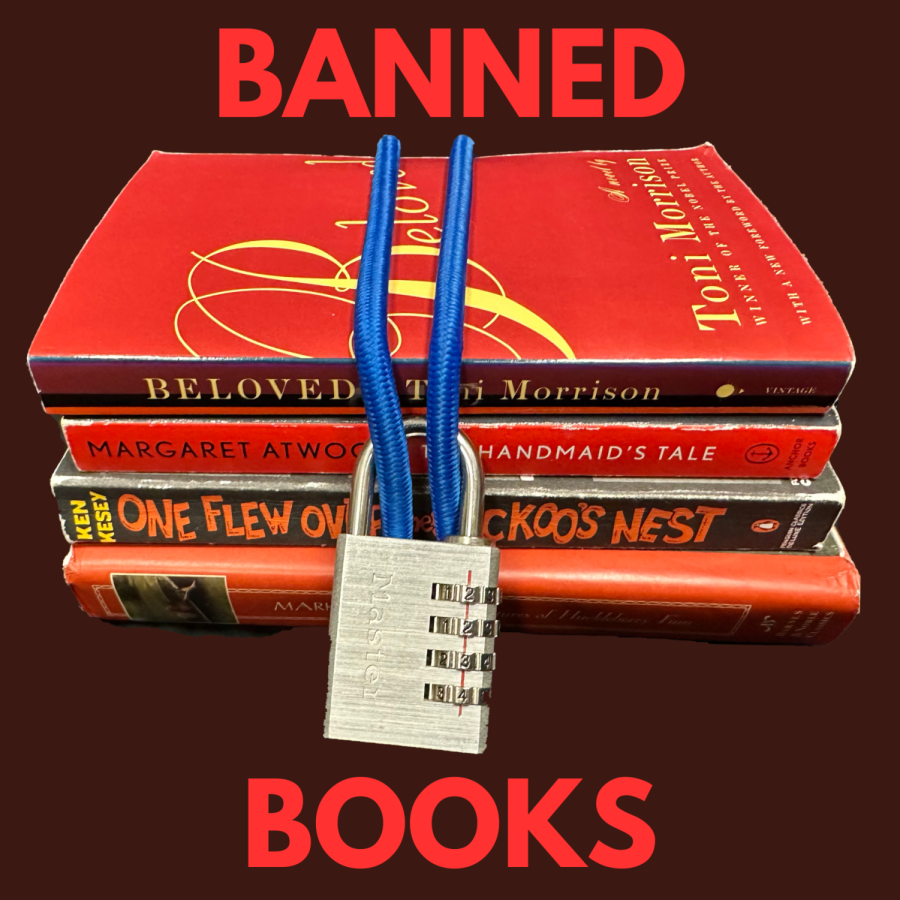
Under AB 1825, public libraries are prohibited from banning books, including materials that include sexual content or a diverse character cast, unless considered legally obscene. Amid a national movement to ban certain books, with proponents disproportionately targeting literature with colored and LGBTQ+ communities, Assemblymember Al Muratsuchi introduced the bill to encourage open access to varied viewpoints.
“Libraries provide a special place in the public’s civic education and the free exchange of diverse ideas and information,” Muratsuchi said in a press release for the Assembly Democratic Caucus. “We need to fight this movement to ensure that Californians have access to books that offer diverse perspectives from people of all backgrounds, ideas and beliefs.”
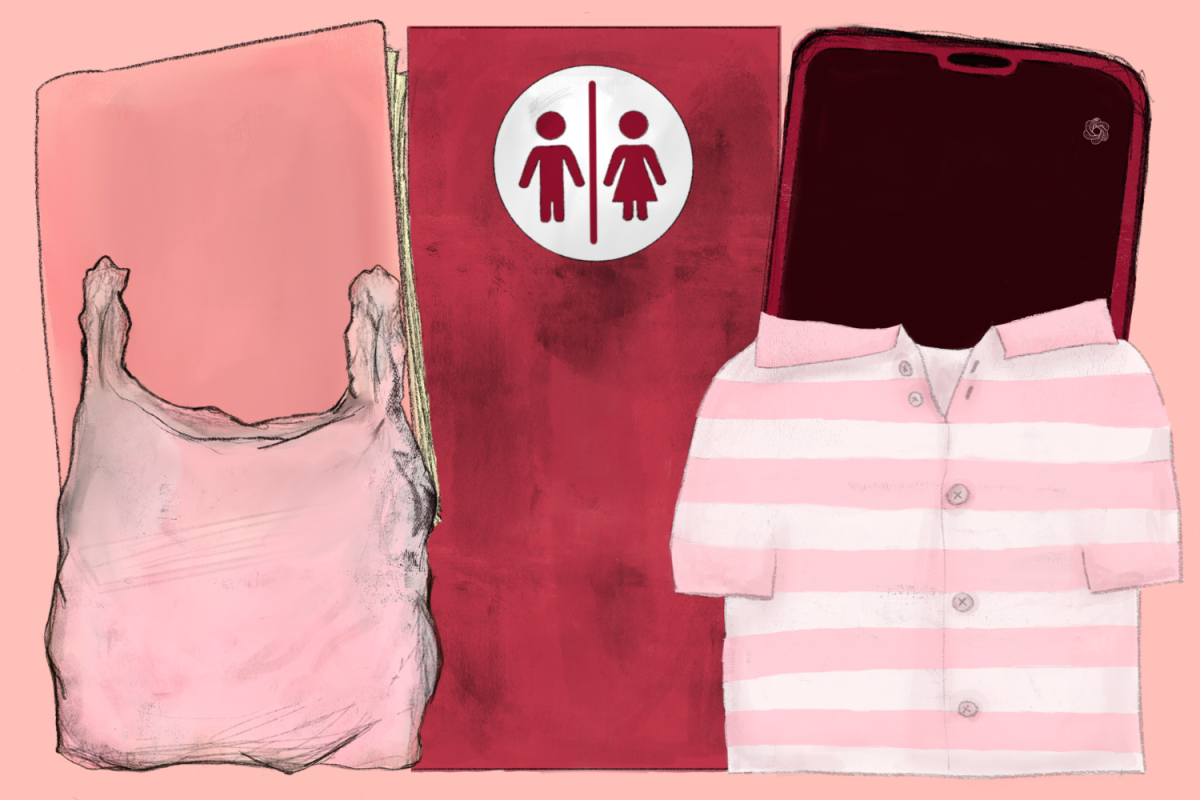
Authored by Sen. Josh Newman, SB 760 requires all schools to have at least one gender-neutral restroom by July 1. With transgender and gender-nonconforming individuals disproportionately reporting avoidance of public spaces due to lack of accessible restrooms, supporters say the bill will further California’s commitment to inclusion. Although opponents have emphasized the increased spending required for schools to enforce this bill, SB 760 determines that costs shall be reimbursed.
“It’ll make students feel safer at school because non-binary identities are real and scientifically backed,” senior Ishana Subrahmanyan said. “In the current administration, people are essentially being erased on all sorts of White House records, so this bill will do a lot for validating non-binary and trans identities.”
Doubling down on efforts to eliminate plastic waste, SB 1053 requires food and retail stores to provide only recyclable paper bags at the point of sale. Previously, California law prohibited stores from providing any single-use bag — defined as bags made of any material not recyclable or reusable — to customers. However, even as stores switched to reusable plastic bags, most consumers continued to use the bags once, prompting Sen. Catherine Blakespear and Assemblymember Rebecca Bauer-Kahan to co-author the bill and close the loophole.
“There’ll be customer frustration, because a lot of people are used to plastic bags,” senior and Conservation Action Association co-president Charlene Yang said. “But less plastic will end up in landfills and break down into microplastics that enter our ecosystems, harming wildlife and eventually humans as well.”